
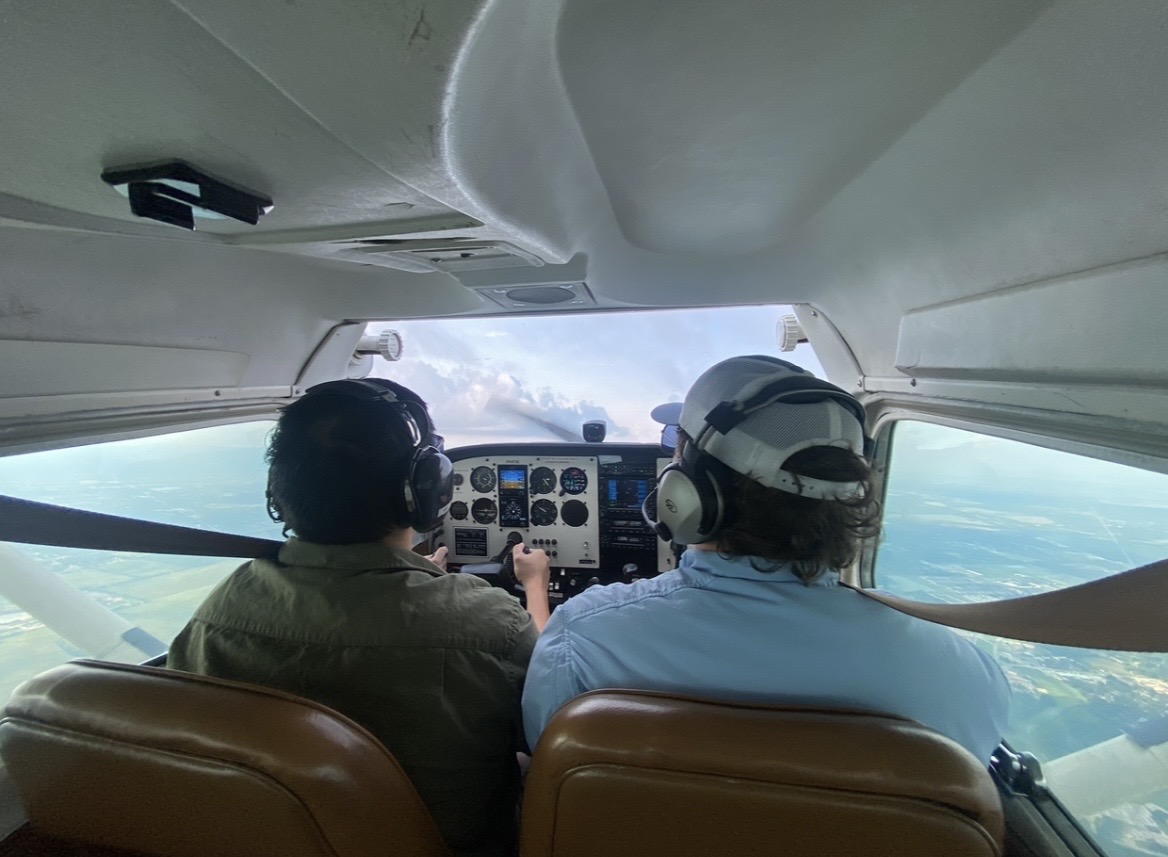
So… What Actually Happens on a Private Pilot Checkride?
If you’re learning to fly, there’s one word you’ll hear whispered around every flight school lobby like it’s some mythical final boss:
“Checkride.”
For some students, it sounds terrifying. For a few, it’s exciting. Experienced pilots will usually tell you it’s a little bit of both.
Here’s the truth:
A checkride isn’t designed to trick you, trap you, or fail you over one tiny mistake. The goal of a Private Pilot checkride is to make sure you can make safe, conservative decisions and operate an airplane with a basic level of proficiency and skill. Most checkrides end up being memorable — stressful in the moment, followed by one of the biggest sighs of relief of your life afterward.
Today, we’re going to walk through:
- The days leading up to your checkride
- What actually happens during
- How to make the entire experience far less intimidating
First: How Do You Know You’re Ready?
For many students, this can feel subjective. “Isn’t it just whenever my CFI says I’m ready?” Well… partially. Your instructor does have to endorse you for the checkride, which means they believe you meet the standard. But a discerning instructor — and a smart student — should be using the ACS (Airman Certification Standards) as the actual measuring stick.
The ACS lays out:
- What you need to know
- What you need to do
- The tolerances you must stay within
For example:
- ±100 feet altitude
- ±10 knots airspeed
- ±10° heading
If you can consistently fly within ACS standards during normal lessons, there’s a good chance you’ll perform similarly on checkride day. A quality flight school will also conduct what’s commonly called a mock checkride. It’s exactly what it sounds like — an unofficial practice checkride designed to simulate the real thing as closely as possible.
Usually, another instructor will:
- Review your documents
- Conduct an oral exam
- Fly through the required maneuvers with you
Mock checkrides are incredibly valuable because they expose weak areas before the actual exam. If you can pass a solid mock checkride, you’re probably in a good place.
What Is a Checkride?
A checkride is the FAA practical exam required to earn a pilot certificate or rating. It’s conducted by a Designated Pilot Examiner, better known as a DPE. The checkride has two main parts:
- The oral exam (talking)
- The flight portion (flying)
Before either of those begin, though, there’s paperwork. And yes — paperwork can absolutely delay or even stop a checkride before the airplane ever starts.
Preparing Your Checkride Binder
One of the smartest things you can do is build a clean, organized checkride binder ahead of time. A good binder should include:
- Student pilot certificate
- Government-issued photo ID
- Medical certificate
- Printed logbook if using a digital logbook
- All endorsements (including written test endorsement!)
- Written test report
- Printed 8710/IACRA
- Navigation log
- Weight and balance calculations
- Weather briefing packet
- FAR/AIM and ACS
- Aircraft logbooks
- POH/AFM
- Copy of Airworthiness certificate and registration
Most examiners appreciate organization. A neat binder with tabs immediately makes the checkride feel smoother and more professional.
The Check-In Process
When you first arrive, don’t expect to immediately jump into the oral exam. Usually, the first 15–30 minutes are spent getting settled in and reviewing paperwork. The examiner will typically:
- Verify your identification and certificates
- Review your logbook and endorsements
- Check your aeronautical experience requirements
- Go through your IACRA application
- Review aircraft maintenance records
- Discuss how the checkride will be conducted
The Ground Portion
The oral exam usually lasts anywhere from 1 to 2 hours, depending on the examiner and the student. Most examiners conduct the oral as a conversation centered around real-world scenarios. You do not need to answer every question instantly from memory, Good pilots use resources. In fact, examiners actually like seeing students reference the FAR/AIM, POH, charts, or other materials correctly instead of guessing.
The Flight Portion
After the oral, you’ll head to the airplane. The flight typically lasts around 1 to 2 hours and includes:
- Preflight inspection
- Navigation
- Steep turns
- Slow flight
- Stalls
- Emergency procedures
- Ground reference maneuvers
- Basic instrument flying
- Performance Takeoffs and landings
- Normal takeoffs and landings
The examiner is not expecting perfection. What they are looking for is safety, judgment, and consistency within ACS standards. A slightly rough landing usually won’t fail a checkride. Unsafe decisions, poor situational awareness, or repeatedly falling outside standards are what tend to cause problems. If you are 110 feet low on your steep turns, but bring them back up by the end of the maneuver, chances are you will pass. If you stay low the entire steep turn the DPE won’t have much of an option other than to fail you.
Reducing Checkride Stress
A few things that make a huge difference:
- Sleep well the night before
- Eat breakfast
- Show up early
- Organize your binder beforehand
- Don’t cram at midnight
- Practice talking through scenarios out loud
Final Thoughts
A Private Pilot checkride is a major milestone, and yes — it can feel intimidating. But at the end of the day, it’s simply a demonstration that you can safely exercise the privileges of a private pilot certificate. You do not need to be perfect. You do not need to know everything. You just need to be prepared, organized, safe, and teachable. And when it’s over, there’s a very good chance you’ll walk away with a temporary airman certificate, a huge sense of relief, and maybe a story you’ll probably tell for the rest of your flying career.